Event operations

Midnight Marathon Logistics in Maboneng

Queue design, snack-bar economics and the quiet math of keeping an audience awake until 4 a.m.

Published 14 March 2025 · Filed under Screening diary
Cinema lobby at night with queue barriers and warm overhead lighting

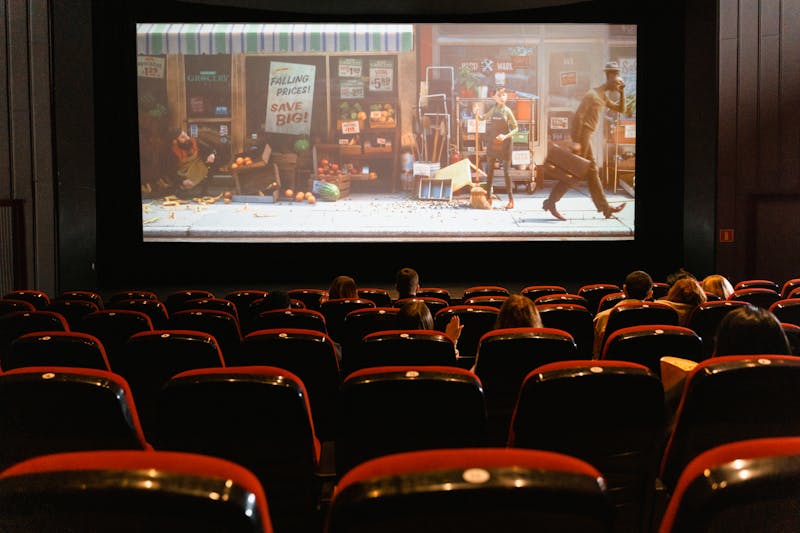
A midnight marathon in Maboneng looks romantic on the poster and logistical in the room. The first time we ran one, we opened a single door and watched the queue fold back onto the pavement within twenty minutes. By the second film, half the audience was still outside, and the projectionist was holding a reel change for people who had paid to be inside. That night taught us more about door counts than any planning meeting.

So here is what actually decides whether the night works. Two doors minimum, one for prepaid ticket holders and one for walk-ins, with the ticket check placed at the top of the stairs rather than the street. That single move keeps the pavement clear and gives late arrivals somewhere to stand without blocking the entrance for everyone behind them.

The snack bar is where the night lives or dies. A marathon runs on concession sales far more than on tickets, and a queue that stalls at 1 a.m. flattens the last two hours. We stagger the bar: coffee and something warm before the second film, cold drinks and sweets before the third. The bad coffee decision is the one nobody forgives, because it lands exactly when the room is quietest.

Audience behaviour is its own chapter. Some people leave at the first credit and that is fine, they paid for the seat. The ones who stay for the cleanup are the ones who come back next season. We keep a small note at the exit with the last tram time and the nearest rank, because a marathon without an exit plan turns into a stranded crowd at 4 a.m.

Journal entries

From the booth to the grading suite

Three recent pieces from the journal. One sits in a projection booth, one runs a night shift in Maboneng, and one is a transcript from a Rosebank grading session. Read them in any order.

Film projector reel and threading path inside a dim projection booth

Projection notes

What 35mm Actually Sounds Like in a Braamfontein Booth

The booth at a Braamfontein repertory house is a narrow room with a carbon-arc lamp, a platter system older than most of the audience, and a small fan that never quite wins. This diary follows three consecutive weekends of 35mm screenings, from the first threading on Friday afternoon to the last reel change on Sunday night. It covers the audible texture of the format: the low hum under dialogue, the sharp pop when a splice crosses the gate, and the way a slightly warped reel announces itself two minutes before anything looks wrong.

Read the entry
Cinema lobby at night with queue barriers and warm overhead lighting

Event logistics

Midnight Marathon Logistics in Maboneng

A midnight marathon in Maboneng looks romantic on the poster and logistical in the room. This piece walks through the decisions that decide whether the night works: how many doors to open, where to put the ticket check so the queue does not block the pavement, and how to stagger the snack bar so the second film does not start with a hundred people still in line. It also looks at the economics honestly, because a marathon runs on concession sales more than on tickets, and a bad coffee decision at 1 a.m. can flatten the last two hours.

Read the entry
Colour grading suite with monitor, control surface and warm desk lamp

Craft interview

A Colourist on Why South African Shorts Look the Way They Do

This piece is built from two afternoons in a Rosebank grading suite, watching a colourist work through a slate of South African short films. The conversation keeps returning to the same problem: how to grade a story shot in high-veld light without flattening it into a generic look. The colourist talks about skin tones under harsh midday sun, about dust in the air that reads as haze on a wide lens, and about why the teal-orange preset is the first thing to throw away.

Read the entry
Cookie settings

We use cookies to keep the site reliable, remember basic choices, and understand which pages are useful. You can accept, reject, or review the settings before continuing.